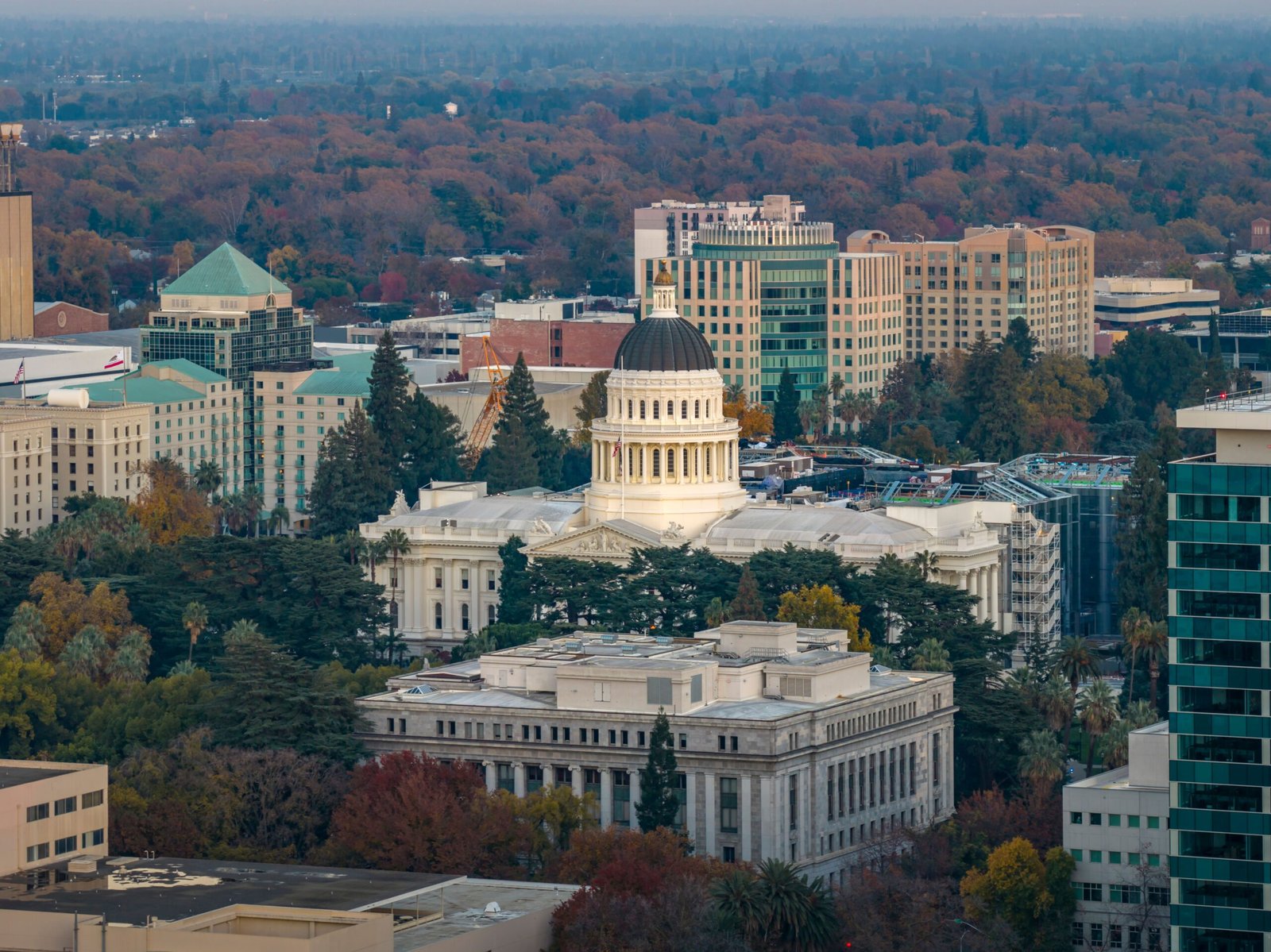
Which US States Have the Highest Median Age and Largest Retiree Populations?

As the Baby Boomer generation continues moving into retirement and national birth rates remain below historical averages, the demographic profile of the United States is steadily aging. According to U.S. Census Bureau American Community Survey data, the national median age has risen to 39.1 years—up from 35.3 in 2000. However, that demographic shift is distributed … Read more

The Smallest Incorporated Towns in America That Still Maintain Full City Services

When people picture an incorporated American municipality, they usually imagine a bustling town center with thousands of residents, a school district, and a local police force. Across the United States, however, dozens of legally incorporated cities, towns, and villages operate with fewer than 50 permanent residents—complete with elected mayors, city councils, municipal budgets, and state-recognized … Read more

Internal Migration Trends: Which States Are Gaining and Losing the Most Residents?

Every year, millions of Americans pack up and move across state lines in search of lower housing costs, better job opportunities, warmer climates, or favorable tax environments. Data from the U.S. Census Bureau’s annual state-to-state migration flows highlights a sustained multi-year shift of population, congressional representation, and economic activity away from high-cost Northeast and West … Read more

The Most Densely Populated vs. Most Sparsely Populated States in the US

Across its 3.53 million square miles of land area, the United States averages roughly 95 people per square mile. Yet that national average masks an extraordinary contrast between the crowded Northeast corridor and the vast expanses of Alaska and the Mountain West. Depending on which state you visit, population density ranges from more than 1,200 … Read more

The Fastest-Growing Mid-Sized Cities in America Over the Past Decade

While major coastal metros like New York, Chicago, and Los Angeles capture most national headlines, U.S. Census Bureau population estimates over the past decade reveal a clear demographic shift: Americans are moving in record numbers to mid-sized cities (populations between 100,000 and 500,000) across the Sun Belt, Mountain West, and suburban ring corridors. Driven by … Read more

Capital Cities That Aren’t the Biggest City: Why 33 States Chose Smaller Capitals

If you ask someone to name the capital of New York, Illinois, or California, many people instinctively guess New York City, Chicago, or Los Angeles. In reality, none of those global metropolises serve as their state’s seat of government. Across the United States, 33 out of 50 state capitals are not the largest city in … Read more