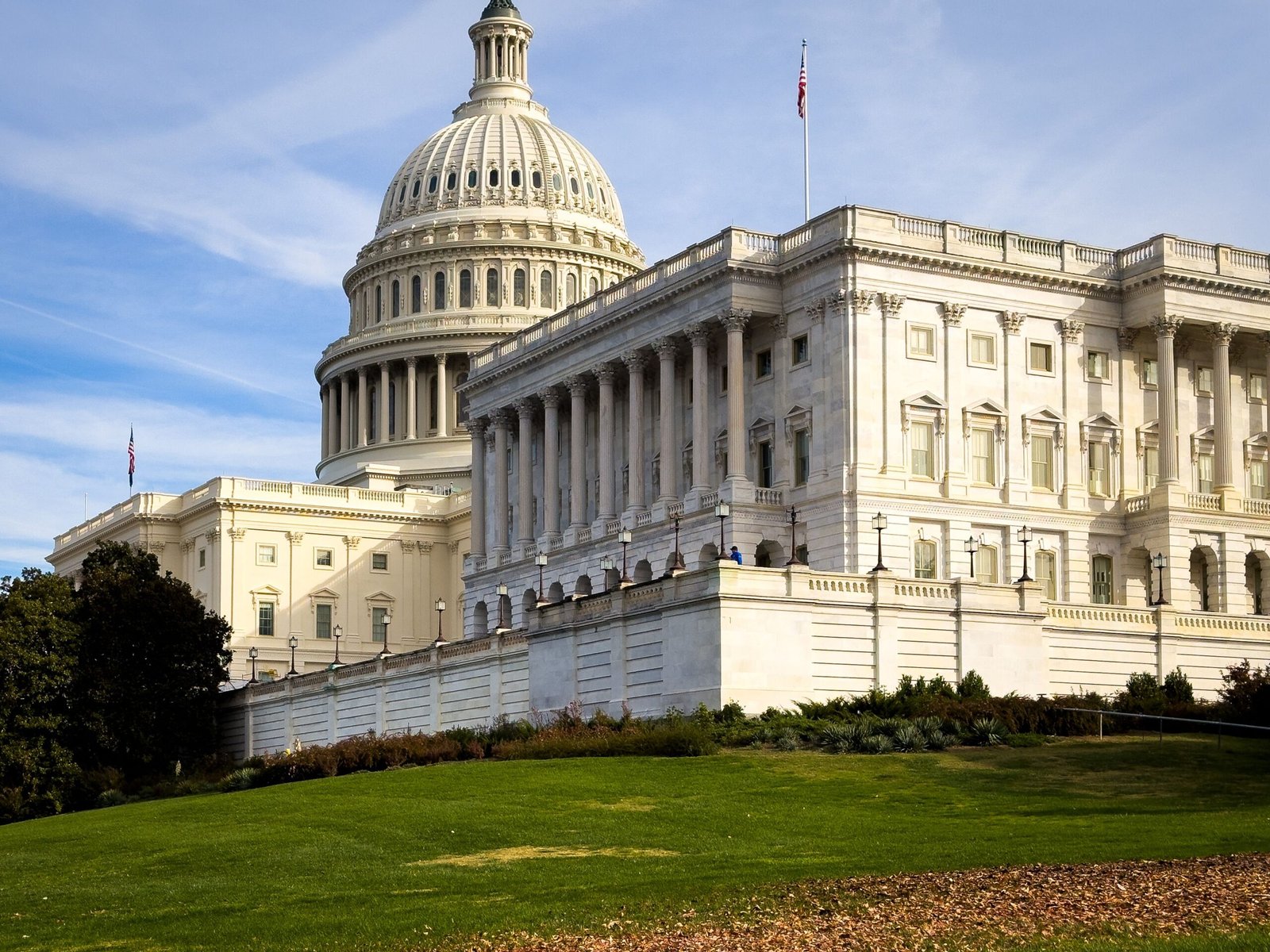
In almost every U.S. state capital, the state capitol building serves as the visual centerpiece of the city skyline. While the majority of state capitols drew inspiration from the Neoclassical dome of the U.S. Capitol in Washington, D.C., several states broke away from traditional designs to construct Art Deco skyscrapers, Venetian Gothic castles, prairie-style landmarks, and centuries-old colonial statehouses.
1. The Oldest Active State Capitol: Maryland State House (Annapolis, 1772)
Completed in 1772, the Maryland State House in Annapolis is the oldest U.S. state capitol still in continuous legislative use—and the only state house to have served as the national capitol of the United States (from November 1783 to August 1784). Inside its Old Senate Chamber, General George Washington resigned his commission as commander-in-chief of the Continental Army in December 1783, and the Continental Congress ratified the Treaty of Paris formally ending the Revolutionary War. Its iconic wooden dome is the largest wooden dome in the United States constructed entirely without nails.
2. The Tallest Traditional Capitol: Texas State Capitol (Austin, 1888)
Constructed from distinctive “Sunset Red” granite quarried near Marble Falls, the Texas State Capitol stands 302.6 feet tall—making it nearly 15 feet taller than the U.S. Capitol in Washington, D.C. To finance the massive Renaissance Revival building without raising cash taxes, the state of Texas traded three million acres of public Panhandle land (which became the legendary XIT Ranch) to the Chicago syndicate that built it.
3. The Skyscraper Capitols: Nebraska, Louisiana, and North Dakota
During the 1920s and 1930s, three states rejected low horizontal domes in favor of vertical Art Deco towers:
- Nebraska State Capitol (Lincoln, 1932): Designed by Bertram Goodhue, Nebraska’s 400-foot limestone tower (“The Tower on the Plains”) broke every convention of capitol architecture, topped by a gold-tiled dome and a 19-foot bronze statue of The Sower symbolizing agriculture.
- Louisiana State Capitol (Baton Rouge, 1932): Championed by Governor Huey Long and completed in just 14 months, Louisiana’s 34-story, 450-foot Art Deco skyscraper remains the tallest capitol building in the United States.
- North Dakota State Capitol (Bismarck, 1934): After fire destroyed the original Victorian capitol in 1930, North Dakota built a sleek 21-story Art Deco limestone tower during the Great Depression, allocating over 80% of its square footage to usable office space rather than decorative rotunda volume.
4. The Only Royal Palace Capitol: ʻIolani Palace (Honolulu, Hawaii, 1882)
Before Hawaii became a U.S. territory and state, King Kalākaua built ʻIolani Palace in downtown Honolulu—the only official royal residence on United States soil. Designed in a unique “American Florentine” style with sweeping lanais (verandas), ʻIolani Palace had electric lighting, indoor plumbing, and flush toilets installed years before the White House in Washington, D.C.
5. The Venetian Gothic Outlier: Connecticut State Capitol (Hartford, 1878)
Overlooking Bushnell Park in Hartford, Connecticut’s capitol rejects classical Roman symmetry in favor of ornate High Victorian and Venetian Gothic marble spires, pointed arches, and a towering 257-foot gold-leaf conical dome.
6. The Pueblo Revival Capitol: New Mexico State Capitol (Santa Fe, 1966)
Known locally as “The Roundhouse,” New Mexico’s state capitol in Santa Fe is the only round state capitol building in America. Designed in a blend of Territorial and Pueblo Revival architecture, its circular floor plan mirrors the sacred Zia sun symbol featured on the New Mexico state flag.