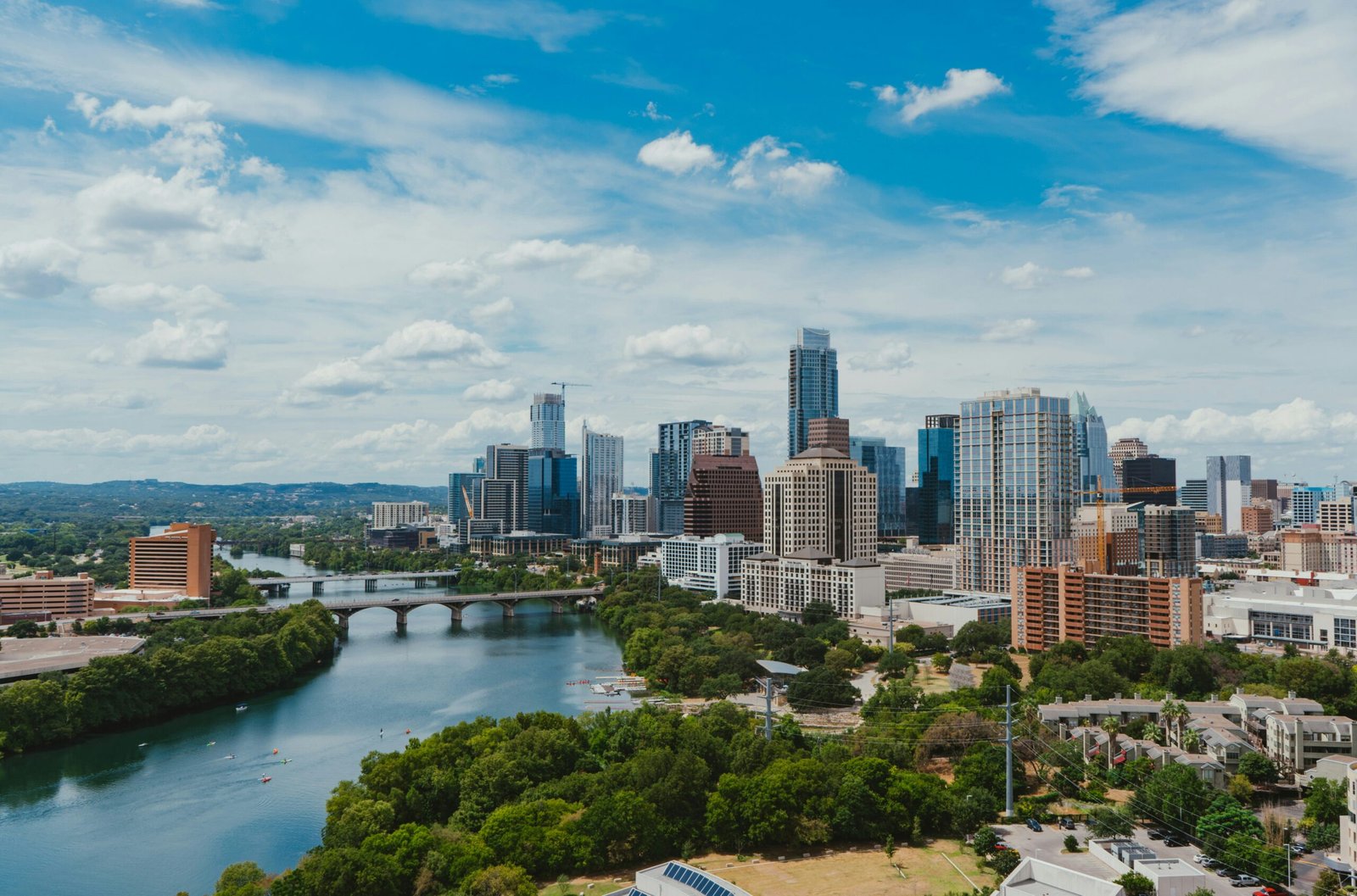
While major coastal metros like New York, Chicago, and Los Angeles capture most national headlines, U.S. Census Bureau population estimates over the past decade reveal a clear demographic shift: Americans are moving in record numbers to mid-sized cities (populations between 100,000 and 500,000) across the Sun Belt, Mountain West, and suburban ring corridors.
Driven by remote work flexibility, lower housing costs, business-friendly state tax climates, and expanding logistics and tech hubs, several mid-sized cities have grown by 25% to more than 60% since 2015.
1. Suburban Boomtowns Surrounding Texas Metros
Texas consistently accounts for the largest share of fast-growing mid-sized cities in the country, particularly along the Dallas–Fort Worth, Austin, and Houston growth corridors:
- Frisco and McKinney, Texas (Dallas–Fort Worth Metro): Located north of Dallas along the North Tollway corridor, Frisco has surged past 230,000 residents (up from roughly 116,000 in 2010) thanks to major corporate relocations, sports headquarters, and master-planned residential communities. Neighboring McKinney has followed a nearly identical trajectory, surpassing 215,000 residents.
- New Braunfels and Georgetown, Texas (Austin–San Antonio I-35 Corridor): Situated between two of Texas’s fastest-growing metros, Georgetown (north of Austin) and New Braunfels (between Austin and San Antonio) have repeatedly ranked among the fastest-growing cities by percentage nationwide, attracting both young families and retirees.
- Conroe, Texas (Greater Houston): Located 40 miles north of downtown Houston near Lake Conroe, Conroe has expanded rapidly as energy, healthcare, and manufacturing employers pushed northward along Interstate 45.
2. The Mountain West and Desert Expansion
- Meridian and Nampa, Idaho (Boise Metro): As housing prices in Boise climbed, neighboring Meridian surged past 135,000 residents—becoming Idaho’s second-largest city—while Nampa passed 115,000, fueled by inbound migration from California, Washington, and Oregon.
- Buckeye and Goodyear, Arizona (West Valley of Phoenix): Located west of Phoenix along Interstate 10, Buckeye has grown from roughly 50,000 residents in 2010 to well over 110,000, driven by massive warehousing, semiconductor supply-chain investments, and available desert land for new home construction.
- St. George, Utah: Anchoring southwestern Utah near Zion National Park, St. George has crossed the 105,000 population mark, combining outdoor recreation appeal with a booming healthcare and retirement economy.
3. Florida’s Coastal and Central Growth Engines
- Cape Coral and Fort Myers, Florida: Located along the Caloosahatchee River on Florida’s Gulf Coast, Cape Coral has grown past 225,000 residents, making it the largest city between Tampa and Miami. Its extensive canal network and relatively affordable single-family lots continue to draw Midwest and Northeast transplants.
- Port St. Lucie, Florida: Positioned on Florida’s Treasure Coast north of West Palm Beach, Port St. Lucie has exceeded 245,000 residents—surpassing traditional Florida hubs like Orlando and St. Petersburg in city-proper population.
4. The Carolinas and Southeast Tech/Manufacturing Belt
- Cary, North Carolina (Research Triangle): Located between Raleigh and Durham, Cary has grown to over 185,000 residents, propelled by biotechnology, software engineering, and university research jobs.
- Murfreesboro, Tennessee (Nashville Metro): Situated 35 miles southeast of Nashville along Interstate 24, Murfreesboro has climbed past 165,000 residents as Middle Tennessee’s automotive, healthcare, and distribution sectors expanded.
- Huntsville, Alabama: Anchored by NASA’s Marshall Space Flight Center, Redstone Arsenal, and a massive aerospace and defense engineering workforce, Huntsville surpassed Birmingham to become Alabama’s largest city, crossing 225,000 residents with steady annual gains.
What Drives Mid-Sized City Growth?
Demographers point to three structural advantages shared by nearly every city on this list:
- Available Land for Single-Family Construction: Unlike landlocked coastal cities hemmed in by oceans or strict urban growth boundaries, suburban and inland mid-sized cities can permit thousands of new single-family homes annually, keeping price-to-income ratios manageable.
- Commute Times Under 25 Minutes: Mid-sized cities offer modern hospitals, airports, and retail infrastructure without the 60-to-90-minute daily commutes common in mega-metros.
- Proximity to Anchor Job Engines: Almost all of the fastest-growing mid-sized cities sit within 30 to 45 minutes of a major research university, state capital, military/aerospace hub, or Fortune 500 corporate corridor.