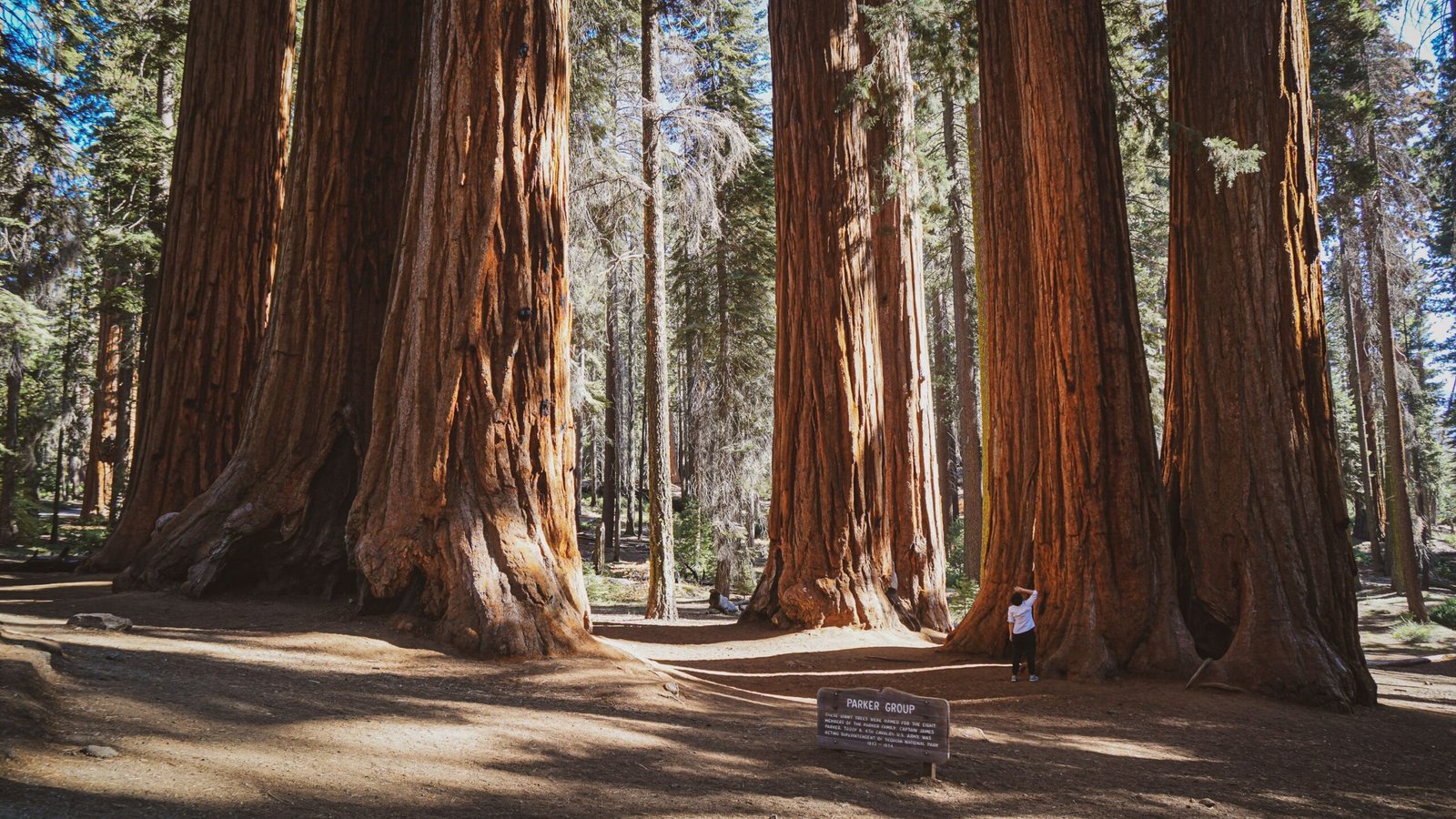
The United States National Park System encompasses more than 430 individual units—including national monuments, seashores, battlefields, and historic sites—but only 63 sites carry the prestigious congressional designation of “National Park.” While those 63 parks are spread across 30 states and two U.S. territories, a handful of western states hold the vast majority of both National Parks and federally designated Wilderness Areas.
States With the Most Designated National Parks
- California — 9 National ParksCalifornia leads the nation by a wide margin, reflecting its unmatched ecological diversity. Its nine parks span coastal redwood forests, granite alpine valleys, active volcanoes, and the hottest desert in North America:
- Yosemite National Park
- Sequoia National Park
- Kings Canyon National Park
- Death Valley National Park (the largest National Park in the contiguous U.S. at 3.4 million acres)
- Joshua Tree National Park
- Redwood National Park
- Lassen Volcanic National Park
- Channel Islands National Park
- Pinnacles National Park
- Alaska — 8 National ParksWhile California has one more park by count, Alaska dominates in sheer scale. Alaska’s eight National Parks cover more than 32 million acres—nearly two-thirds of all National Park acreage in the entire country. Wrangell–St. Elias National Park and Preserve alone spans 13.2 million acres, making it larger than Switzerland. Other Alaskan parks include Denali, Gates of the Arctic, Glacier Bay, Katmai, Kenai Fjords, Kobuk Valley, and Lake Clark.
- Utah — 5 National Parks (“The Mighty 5”)Southern Utah’s Colorado Plateau features one of the densest concentrations of canyon and red-rock geology on Earth: Zion, Bryce Canyon, Arches, Canyonlands, and Capitol Reef. All five can be visited on a single road trip loop.
- Colorado — 4 National ParksColorado protects high-altitude alpine tundra, sand dunes, and ancient cliff dwellings across Rocky Mountain, Mesa Verde, Great Sand Dunes, and Black Canyon of the Gunnison National Parks.
- Arizona, Florida, and Washington — 3 National Parks Each
- Arizona: Grand Canyon, Petrified Forest, and Saguaro.
- Florida: Everglades, Dry Tortugas, and Biscayne (the only state where two National Parks are predominantly underwater marine ecosystems).
- Washington: Olympic, Mount Rainier, and North Cascades.
Federal Wilderness Areas: Where Land Is Strictly Untouched
Beyond National Parks, Congress created the National Wilderness Preservation System in 1964 to protect federal lands where human development, roads, and motorized vehicles are permanently prohibited. Across the entire United States, more than 111 million acres are protected as designated Wilderness across 44 states.
When measured by total protected Wilderness acreage, the top five states are:
- Alaska: ~57.5 million acres (over half of all wilderness in the U.S.)
- California: ~15.4 million acres across 150+ individual wilderness areas
- Washington: ~4.5 million acres
- Arizona: ~4.5 million acres
- Idaho: ~4.8 million acres (anchored by the Frank Church–River of No Return Wilderness, the largest contiguous roadless wilderness in the Lower 48)
States With Zero Designated National Parks
Twenty U.S. states do not have a congressional “National Park” within their borders—including populous states like New York, Pennsylvania, Illinois, Georgia, and Massachusetts. However, those states still host major National Park Service units under other titles, such as Cape Cod National Seashore in Massachusetts, Gettysburg National Military Park in Pennsylvania, Statue of Liberty National Monument in New York, and Sleeping Bear Dunes National Lakeshore in Michigan, preserving vital coastal, historical, and natural landscapes nationwide.